Niyora · My own app
1,800 papers graded before I built more
I didn’t want activities that only sounded nice, so in July I built a research engine and read the evidence first.
DraftPublished Updated 2 min read
This is a working draft. I’m still filling it in.
1,800
Papers collected and graded by study type, July
2,644
Papers screened into the content bank
6,700+
Plain-English paper summaries on niyora.com
On this page
A research engine and a reading cockpit
- In July I pulled about 1,800 papers from Europe PMC into a reading cockpit I built. It graded each one by study type, so the strongest studies showed up first.
- I set a rule: only findings with solid evidence show up in the app as fact.
A content bank of eight stations
Then, with AI’s help, I screened 2,644 papers into a content bank: about 640 findings in eight stations, from understanding your body to relationships. Two stations came back thin, so I ran a second search just for them. Every fact in the app goes back to real research.
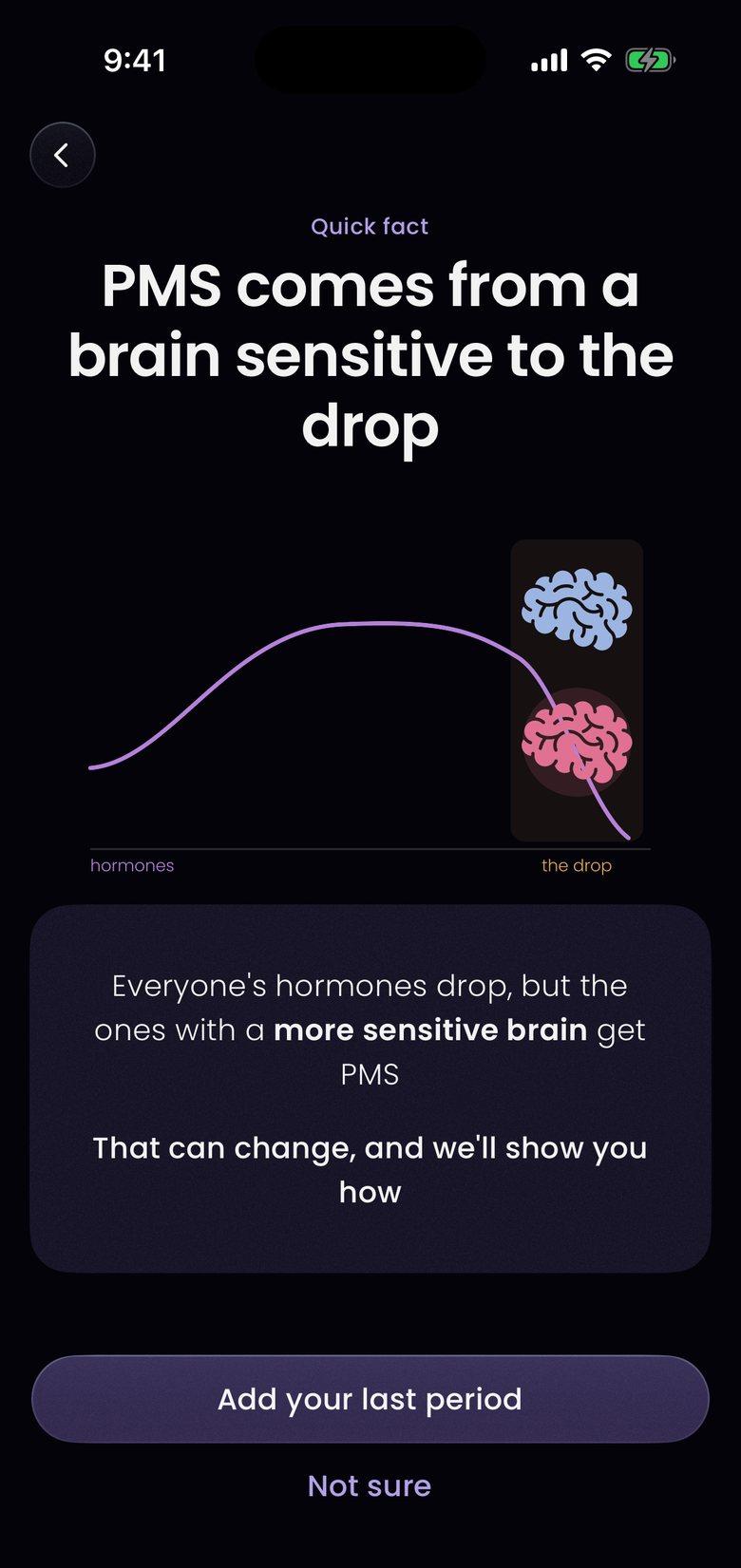
A quick fact
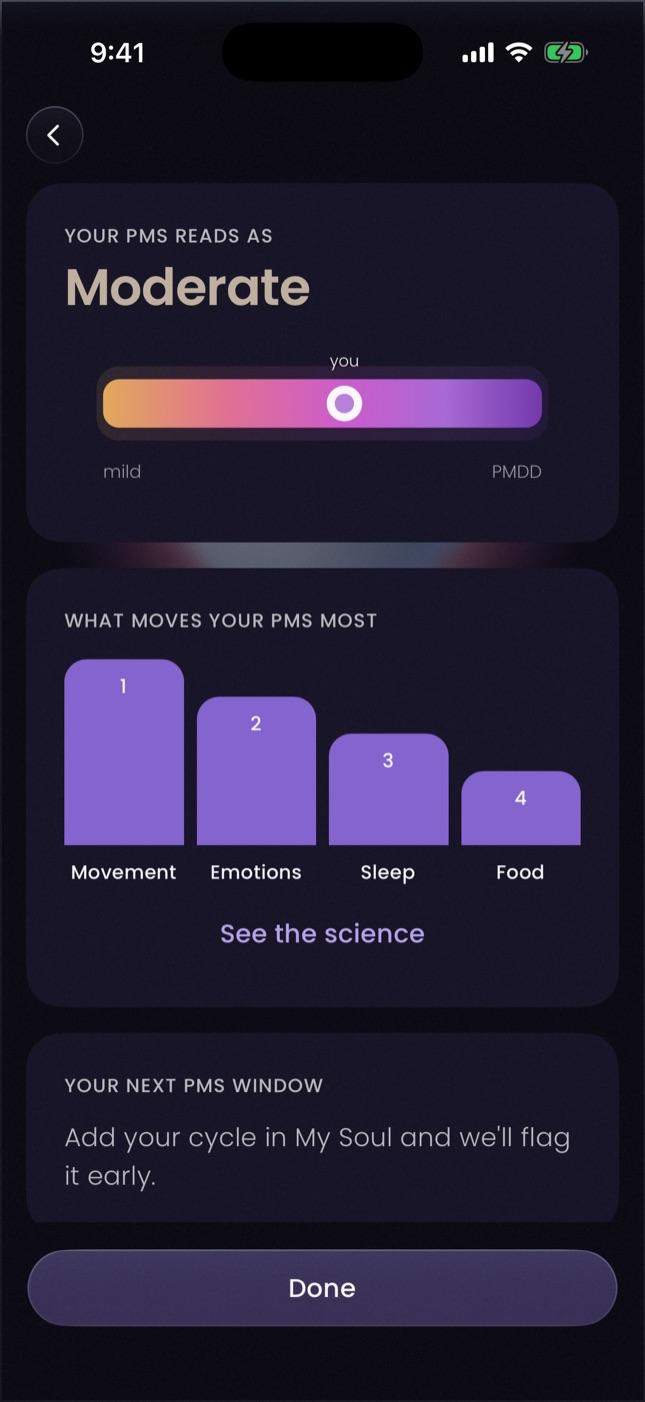
The PMS check
By November, the research library on niyora.com held more than 6,700 papers in plain English, on the library engine Prasad Subrahmanya built.
What the research showed
The finding that changed how I saw my own month: women who feel awful before their period have the same hormone levels as women who feel fine. What’s different is how strongly the brain reacts to the drop.
One pattern stood out. The relief that lasts comes from learning to handle the emotion itself, so Niyora became a practice for that moment.
“See the hard days coming, catch the stress, help her feel safe again, check that it worked, and learn what works for her.”
What nobody has studied
In August I measured the whole field with 31 searches. There were 168 papers on the genetics of premenstrual symptoms, and zero trials. There was thirteen times more research on cycles in animals than on premenstrual self-harm. I published it as a gaps map on niyora.com.
What I learned
- When a field is this thin, confidence is the warning sign. The less evidence there was, the more careful the writing got.
- I didn’t need a fund or anyone’s permission to start. I could read the evidence myself.
Topics: research, women's health, AI. Also as plain markdown.